
Peter Lehel
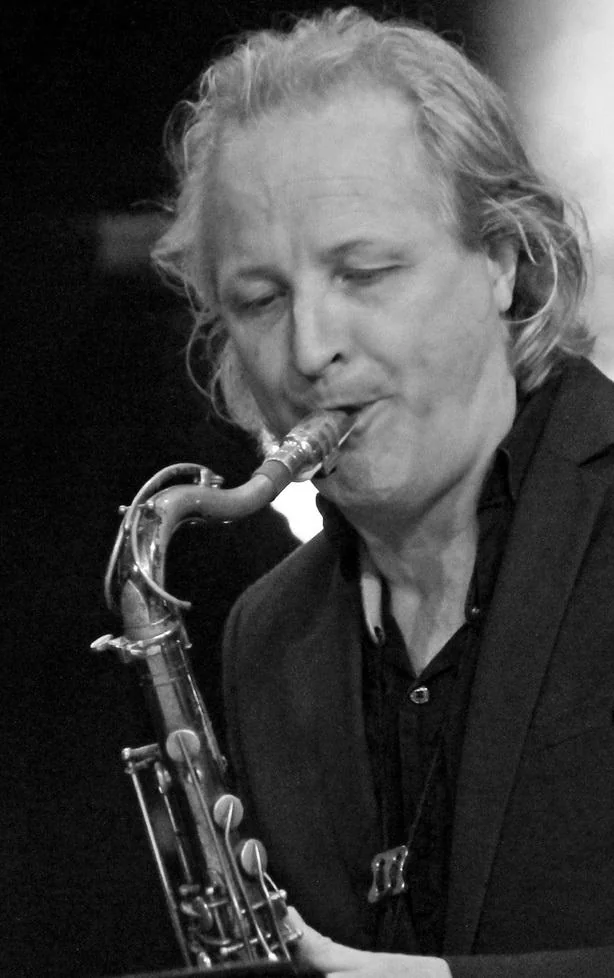
Image from Wikipedia
Image from Wikipedia
Peter Lehel: The Karlsruhe Jazz Saxophonist Between Coltrane, Chamber Music, and Sound Culture
A German Jazz Musician with a Distinctive Signature
Peter Lehel, born on September 13, 1965, in Karlsruhe, is among the most prominent German jazz musicians of his generation. As a tenor and soprano saxophonist, bass clarinet player, tárogató performer, composer, arranger, and lecturer, he fuses improvisational freedom with compositional precision. His career represents a music culture where jazz is understood not as a genre boundary but as an open creative system. ([de.wikipedia.org](https://de.wikipedia.org/wiki/Peter_Lehel?utm_source=openai))
Biography: Education, Style Development, and Musical Early Influences
Lehel began playing the saxophone at an early age and studied jazz and popular music in Stuttgart from 1988 to 1996, with some time spent in Budapest; he completed his concert exam with distinction. This academic foundation shaped his later style: analytical, sound-conscious, and yet open to spontaneity. Since 2004, he has taught jazz, theory, big band, and saxophone at the Hochschule für Musik Karlsruhe, combining artistic practice with pedagogical authority. ([peterlehel.net](https://www.peterlehel.net/?utm_source=openai))
Even the biographical milestones highlight the breadth of his work. Karlsruhe has remained his starting point and artistic reference, yet Lehel's career developed internationally at an early stage: he collaborated with musicians and ensembles from jazz, classical, and crossover backgrounds, shaping a career that does not react to short-term trends but rather focuses on sustainable sound ideas. His biography also tells the story of a musician who has forged his own language between improvisation, arrangement, and composition. ([de.wikipedia.org](https://de.wikipedia.org/wiki/Peter_Lehel?utm_source=openai))
Career: Ensemble Work, Tours, and Artistic Development
A central chapter of his music career is the Peter Lehel Quartet, which has served for many years as a laboratory for his compositional ideas. The official website mentions more than 20 years of band history, 15 CD recordings, and countless concerts and tours; during this time, a repertoire has emerged that brings together Coltrane, Bartók, classical, crossover, and jazz tradition. The quartet thus became a sonic archive of Lehel's artistic development. ([peterlehel.net](https://www.peterlehel.net/german/projects/peter-lehel-quartet-2025/?utm_source=openai))
In parallel, Lehel has been shaping the group Pipes & Phones together with Peter Schindler since 1993, and the band SaltaCello also belongs to his expanded artistic universe. He has also collaborated with soloists and ensembles from very diverse fields, including Barbara Dennerlein, Monika Herzig, Ulisses Rocha, the Stuttgart Chamber Orchestra, and other string and symphony orchestras. This diversity makes his career exceptional: Lehel moves confidently between jazz clubs, chamber music halls, and large ensemble formats. ([de.wikipedia.org](https://de.wikipedia.org/wiki/Peter_Lehel?utm_source=openai))
Discography: An Extensive Body of Work between Jazz Quartet, Crossover, and Chamber Music
Lehel's discography is remarkably broad and stylistically open. In recent years, his official website and Spotify have featured titles such as Sea of Love, Chamber Jazz Quartets, Paul Auster Jazz, Silent Hours, Purple Pearls of Pop, Deepest Purple, Travessia, and Brisa do mar. Earlier cornerstones include Heavy Rotation, Bone Talks, Chamber Jazz, and Soul Balance. ([peterlehel.net](https://www.peterlehel.net/?utm_source=openai))
His work with saxophone quartet, church organ, strings, and chamber music ensembles is particularly influential. The Finefones Saxophone Quartet, founded and led by Peter Lehel, is considered one of the most interesting saxophone ensembles in Germany according to Spotify, expanding the genre's repertoire with jazz, classical, and crossover programs. The Pipes & Phones project clearly shows this direction: organ, saxophone, improvisation, and sonic architecture intertwine here. ([peterlehel.net](https://www.peterlehel.net/english/projects/finefones-saxophone-quartet/?utm_source=openai))
Musical Language: Coltrane Legacy, Modal Tension, and Chamber Music Refinement
Lehel's style is often located in the tension field between John Coltrane and modern jazz improvisation. The official artist description emphasizes that he combines compositional techniques and forms from classical music with the free spirit of jazz; on the website for his quartet, it is stated that in his sound, Coltrane, groove jazz, chamber jazz, and Hungarian folklore come together. This creates music that not only connects to styles but transforms them into a personal tonal language. ([open.spotify.com](https://open.spotify.com/artist/2Z27deVhVqNLXuT7p9IA1F?utm_source=openai))
As an arranger, Lehel works with a high harmonic sensitivity. The projects for Finefones showcase arrangements of rock and pop classics as well as respectful, idiomatic engagements with Bach, Brahms, Debussy, Ravel, Piazzolla, and other composers. This balance of respect for the material and his own signature makes his arrangements so distinctive: they are not decorative but rely on form, color, and structural clarity. ([peterlehel.net](https://www.peterlehel.net/english/projects/finefones-saxophone-quartet/?utm_source=openai))
Current Projects and Releases: Contemporary Music with High-Level Productivity
In the years 2024 to 2026, Lehel remains highly productive. His website lists upcoming works like Silent Hours on January 17, 2025, Purple Pearls of Pop on July 4, 2024, Deepest Purple on April 26, 2024, Travessia on March 15, 2024, and Brisa do mar on February 2, 2024. The website also announces Paul Auster Jazz for September 2025, while Giant Impressions is set to release in September 2026. ([peterlehel.net](https://www.peterlehel.net/?utm_source=openai))
These releases demonstrate that Lehel does not merely manage his artistic development but actively advances it. The new productions explore the space between quartet sound, solo profiles, chamber music intimacy, and thematic programs. At the same time, his concert activity stays vibrant: the site features current concert announcements for 2026, as well as notes on projects with Sarah Lipfert, Daniel Prandl, Judith Goldbach, Markus Faller, and Monika Herzig. ([peterlehel.net](https://www.peterlehel.net/german/concerts-2026/?utm_source=openai))
Awards and Recognition
Peter Lehel was awarded the Jazz Prize Baden-Württemberg in 1997. Moreover, several productions he participated in received the German Record Critics' Award in 2000 and 2006. These honors not only affirm his technical mastery but also the cultural-historical significance of his work within German jazz. ([de.wikipedia.org](https://de.wikipedia.org/wiki/Peter_Lehel?utm_source=openai))
Cultural Influence: Between German Jazz Tradition and International Resonance
Lehel is not a musician of loud poses but a creator with a long-term vision. His work with educational institutions, his ensemble projects, and his audience-friendly programs for adults as well as children make him a formative figure in German jazz life. His cultural influence is particularly interesting where he connects jazz with classical forms, Hungarian accents, folklore, pop, and church music, reaching an audience that cannot be confined to a single genre. ([open.spotify.com](https://open.spotify.com/artist/2Z27deVhVqNLXuT7p9IA1F?utm_source=openai))
This openness explains his radiance: Lehel's music thrives on fine dramaturgy, thoughtful composition, and a stage presence that never relies on effects but rather on substance. Reviews on his website particularly highlight the warm, silky saxophone sound, the harmonic depth, and the emotional density of his recordings. The picture is clear: here works an artist whose jazz emerges from experience, knowledge, and personal consistency. ([peterlehel.net](https://www.peterlehel.net/))
Conclusion: A Jazz Musician with Vision and a Distinctive Sound Language
Peter Lehel combines the discipline of the composer with the freedom of the improviser and the curiosity of the crossover artist with the knowledge of a lecturer and ensemble leader. His discography, his projects, and his continuous work on new formats showcase a musician who not only plays jazz but also evolves it. Anyone wanting to experience modern German jazz art with chamber music depth, stylistic openness, and a strong personal signature should hear Peter Lehel live. ([peterlehel.net](https://www.peterlehel.net/?utm_source=openai))
Official Channels of Peter Lehel:
- Instagram: No official profile found
- Facebook: No official profile found
- YouTube: https://www.youtube.com/playlist?list=PLInkRsWQxuayB46pjxUQbNveKEad2NUE6
- Spotify: https://open.spotify.com/artist/2Z27deVhVqNLXuT7p9IA1F
- TikTok: No official profile found
Sources:
- Peter Lehel – Official Website
- Peter Lehel – Biography
- Peter Lehel – Discography
- Peter Lehel – Peter Lehel Quartet 2025
- Peter Lehel – Finefones Saxophone Quartet
- Spotify – Peter Lehel
- Spotify – Finefones Saxophone Quartet
- Spotify – Peter Lehel Quartet
- YouTube – Saxophone & Clarinet Transcriptions
- YouTube – Peter Lehel Quartet
- Wikipedia: Peter Lehel