
Cheryl Studer
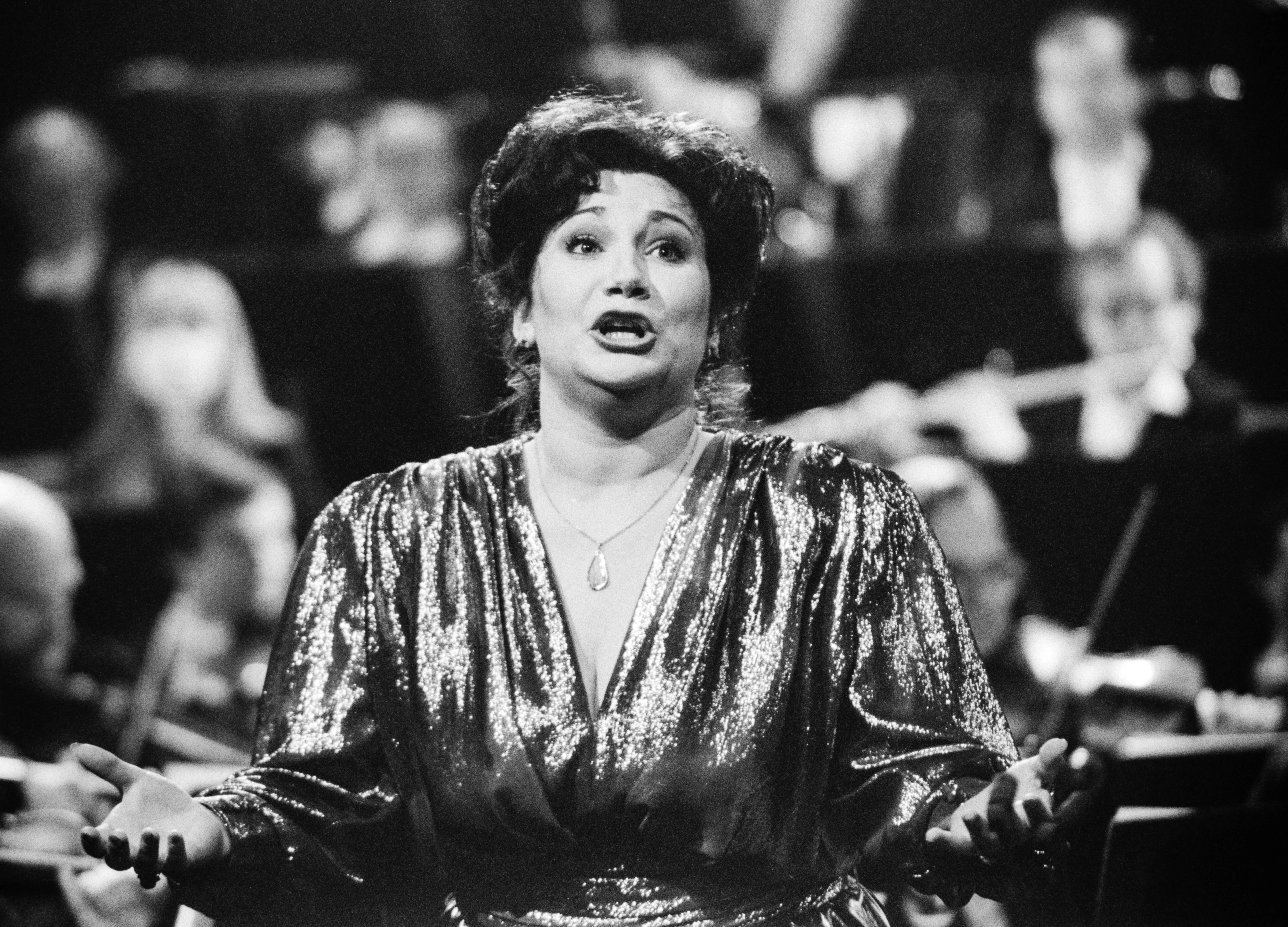
Image from Wikipedia
Image from Wikipedia
Cheryl Studer – The Dramatic Soprano Bridging Wagner, Strauss, and Vocal Exploration
An American Opera Voice with International Impact
Cheryl Studer, born on October 24, 1955, in Midland, Michigan, is among the most distinguished American opera sopranos of her generation. Her career has taken her to the world’s most important opera stages, making her particularly known as an interpreter of the works of Richard Strauss and Richard Wagner. With over eighty roles in a repertoire ranging from lyrical to dramatic and later mezzo-soprano parts, her exceptional range is well documented. ([en.wikipedia.org](https://en.wikipedia.org/wiki/Cheryl_Studer))
Early Formation: From Midwestern Talent to International Opera Hope
Studer grew up in Michigan, studied piano and viola as a child, and began taking singing lessons with Gwendolyn Pike at the age of twelve. This early musical training laid the foundation for a music career rooted not only in technique but also in style and expressiveness. After graduating from Herbert Henry Dow High School, she attended the Interlochen Arts Academy and later studied at the Oberlin Conservatory of Music before continuing her training in Tennessee and later Europe. ([en.wikipedia.org](https://en.wikipedia.org/wiki/Cheryl_Studer))
A formative chapter began in 1979 in Baden bei Wien, where she attended a course in German Lieder and worked with Hans Hotter. Hotter encouraged her to continue her studies at the University of Music and Performing Arts in Vienna, where she earned her master's degree. This European grounding added significant depth to her artistic development: not only opera but also song, text interpretation, and stylistic precision became central to her identity. ([bayreuther-festspiele.de](https://www.bayreuther-festspiele.de/en/fsdb/performers/cheryl-studer/))
The Breakthrough: Bayreuth, Munich, and the Major Houses
Studer’s entry into the international opera world came after winning the Met Opera National Council Auditions in 1978 and joining the ensemble of the Bavarian State Opera in 1980. There, she took on her first roles in Mozart, Strauss, and Wagner, including Freia and Marenka, before moving to Darmstadt and the Deutsche Oper Berlin. In 1984, she made her U.S. debut at the Lyric Opera of Chicago as Micaëla in Carmen – an indication that her vocal profile was not yet confined to a single Fach. ([operawire.com](https://operawire.com/artist-profile-soprano-cheryl-studer-an-example-of-longevity-breadth/))
Her real international breakthrough came in 1985 at Bayreuth with Elisabeth in Wagner's Tannhäuser under Giuseppe Sinopoli. This performance opened the doors to the most prestigious opera houses in the world: Liceu in Barcelona, Opéra de Paris, San Francisco Opera, Royal Opera House Covent Garden, La Scala, Metropolitan Opera, and Wiener Staatsoper. Her journey showcases a rare combination of vocal versatility, stage presence, and the ability to navigate seamlessly between bel canto, German repertoire, and late Romantic material. ([bayreuther-festspiele.de](https://www.bayreuther-festspiele.de/en/fsdb/performers/cheryl-studer/))
The Repertoire: Over Eighty Roles and a Distinct Profile
Cheryl Studer is particularly celebrated for her interpretations of Strauss and Wagner, yet her discography and stage repertoire tell an even broader story. Her seminal roles include Elsa, Senta, Sieglinde, Chrysothemis, the Marschallin, Leonore, Donna Anna, Violetta, Pamina, and Micaëla. This range highlights how flexibly her voice operated across different stylistic realms – from classical line to expressive dramatic intensity. ([en.wikipedia.org](https://en.wikipedia.org/wiki/Cheryl_Studer))
Remarkably, she grew into the Wagner repertoire without being confined by it. At Bayreuth, she sang Elsa, Senta, and Sieglinde in addition to Elisabeth until 2000; simultaneously, she remained present in Italian and French repertoire. The combination of bel canto, lyrical expression, and dramatic attack defined her style and made her attractive to opera houses seeking large voices with flexibility. ([bayreuther-festspiele.de](https://www.bayreuther-festspiele.de/en/fsdb/performers/cheryl-studer/))
Discography and Studio Work: A Voice for Recording History
Studer’s discography reveals a singer who was as compelling in the studio as she was on stage. Complete opera recordings include Aida, Le nozze di Figaro, Elektra, Die Walküre, Susannah, and La traviata; in addition, there are concert recordings such as Beethoven’s Ninth, Brahms’ German Requiem, Mahler’s and Strauss-related programs, as well as a broad solo and song repertoire. These recordings document her high artistic standards in musical interpretation, text interpretation, and vocal discipline. ([en.wikipedia.org](https://en.wikipedia.org/wiki/Cheryl_Studer))
The press also acknowledged these qualities. BBC Music Magazine described her Strauss/Wagner recording as having “expressive beauty edged with steel” and highlighted her attention to poetic nuances. The Los Angeles Times praised her in 1989/1991 within Wagner and opera contexts, while other critiques emphasized her clear diction, dramatic presence, and her ability to carry major roles with technical control. ([classical-music.com](https://www.classical-music.com/reviews/strausswagner-0?utm_source=openai))
Awards, Recognition, and GRAMMY Resonance
Studer’s artistic authority is reflected in her awards and nominations. On the GRAMMY page, she is listed with two wins and nine nominations; an important win was for the opera recording Floyd: Susannah. Additional nominations for works by Wagner, Rossini, and Barber demonstrate her stylistic range and her standing in the international classical music scene. ([grammy.com](https://www.grammy.com/artists/cheryl-studer/16100))
Such accolades are not merely trophies for an opera singer but indicators of artistic relevance. They show that Studer not only succeeded on the grand stages but also set standards in the recording industry. Particularly in the classical repertoire, these recordings remain reference points for listeners wishing to connect vocal fervor with textual precision. ([grammy.com](https://www.grammy.com/artists/cheryl-studer/16100))
Later Career: Change, Teaching, and New Roles
From the 2000s onward, Studer increasingly shifted her focus toward pedagogy and repertoire expansion. From 2003 to 2021, she taught at the University of Music in Würzburg and also served as an honorary professor at the Central Conservatory of Music in Beijing. Concurrently, she conducted masterclasses and opera workshops internationally and founded her North Aegean Music Festival in Lesbos, which is still described as a place for artistic exchange. ([en.wikipedia.org](https://en.wikipedia.org/wiki/Cheryl_Studer))
She also remained present on stage. In 2016 and again in 2019, 2022, 2023, and 2025, she appeared at the Staatsoper Unter den Linden in Berlin in Elektra as Die Vertraute and Die Aufseherin; in 2021 she sang Tertullia in Die Verurteilung des Lukullus in Stuttgart. These late performances demonstrate an artist who consciously leads her voice and expression into new registers, rather than simply repeating her career. ([opera-online.com](https://www.opera-online.com/en/items/performers/cheryl-studer-1955))
Artistic Attitude and Cultural Influence
Cheryl Studer’s significance lies not only in the magnitude of her roles but in her attitude towards the repertoire. In a conversation, she emphasized that her voice has remained healthy because she sang a variety, not because she sang everything that was possible. This statement summarizes a career built on thoughtful role choices, musical intelligence, and long-term sustainability. ([operaplus.cz](https://operaplus.cz/muj-hlas-zustal-zdravy-diky-rozmanitosti-repertoaru-ne-tim-ze-bych-zpivala-vsechno-co-se-dalo-americka-sopranistka-cheryl-studer-slavi-sedmdesatiny/))
Her influence extends beyond the opera stage. As a singer who combined American training, European tradition, and international practice, she became a mediator between schools, styles, and generations. For younger sopranos, her path is an example of how to shape vocal flexibility, role depth, and repertoire awareness into a distinctive artistic signature. ([en.wikipedia.org](https://en.wikipedia.org/wiki/Cheryl_Studer))
Conclusion: A Singer of Great Range and Lasting Relevance
Cheryl Studer remains intriguing because her career intertwines multiple layers: dramatic power, stylistic breadth, recording history, international stage presence, and pedagogical authority. She is a soprano who has shaped 20th-century opera singing and continues to serve as a living reference today. Lovers of great opera voices will discover in Cheryl Studer an artist whose work still resonates and whose late performances show how rich an opera life can be. Anyone with the opportunity to experience her live should not miss it. ([en.wikipedia.org](https://en.wikipedia.org/wiki/Cheryl_Studer))
Official Channels of Cheryl Studer:
- Instagram: No official profile found
- Facebook: No official profile found
- YouTube: No official profile found
- Spotify: No official profile found
- TikTok: No official profile found
Sources:
- Wikipedia – Cheryl Studer (German version)
- Wikipedia – Cheryl Studer (English version)
- Opera Online – Cheryl Studer
- Bayreuther Festspiele – Performance Database: Cheryl Studer
- OperaWire – Artist Profile: Cheryl Studer
- GRAMMY.com – Cheryl Studer
- BBC Music Magazine – Strauss/Wagner Review
- OperaPlus – Interview for the 70th Birthday